Best CMS Development Platforms
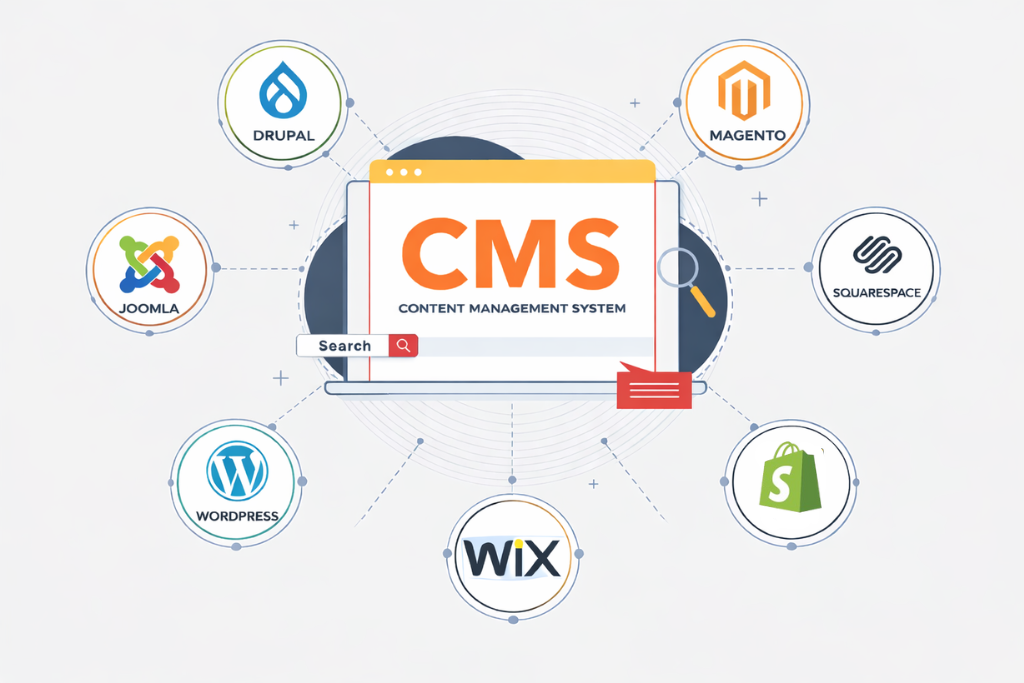
When choosing the best CMS (Content Management System) development platform, several leading options stand out with unique features and capabilities suited for different website needs:
1. WordPress
WordPress is the most popular open-source CMS platform powering millions of websites worldwide. It offers a user-friendly interface, a vast library of plugins, and themes that allow for easy customization of websites.
Features
- Build apps for Android, iOS, Web, macOS, Windows, and Linux from one codebase.
- Quickly see changes with instant updates while testing.
- Customizable UI components for creating responsive apps.
2. Joomla
Joomla is a flexible open-source CMS favored for complex websites and online applications. It provides more built-in functionality than WordPress, making it suitable for community and membership sites.
Features
- Powerful content management with multi-user access control.
- Supports multilingual sites out of the box.
- Flexible template system and extensive extension directory.
- Good for social networking and eCommerce integrations.
3. Drupal
Drupal is a highly scalable and secure open-source CMS often chosen for enterprise and large-scale websites. It offers robust customization and excellent performance.
Features
- Advanced user role and permission management.
- Strong support for complex data models and content workflows.
- Great for community-driven and government websites.
- Extensive module ecosystem and API-first architecture.
4. Shopify
Shopify is a leading SaaS CMS platform designed specifically for eCommerce websites. It provides all-in-one hosting, payment integration, and inventory management.
Features
- Easy setup for online stores without technical knowledge.
- Supports multiple payment gateways and shipping options.
- Customizable themes optimized for sales.
- Built-in marketing and analytics tools.
5. Magento (Adobe Commerce)
Magento is a powerful open-source eCommerce CMS platform tailored for businesses with complex online stores and large product catalogs.
Features
- Highly customizable with extensions and integrations.
- Supports multi-store management and internationalization.
- Robust inventory and order management features.
- Scalable and secure for enterprise-level eCommerce.
6. Wix
Wix is a cloud-based CMS and website builder platform known for its drag-and-drop interface and ease of use for beginners.
Features
- ntuitive visual editor with customizable templates.
- Hosting and domain services included.
- App market for adding functionalities.
- SEO tools and mobile optimization built-in.
7. Squarespace
Squarespace is an all-in-one website builder popular for creating visually appealing, responsive websites. It’s ideal for users who want to build their site easily using a drag-and-drop interface without needing technical knowledge.
Features
- Drag-and-drop editor with beautiful, modern templates.
- Hosting and domain registration included.
- Built-in SEO tools and analytics.
- E-commerce support for small to medium online stores.
- Integrated marketing tools such as email campaigns and social media.
Our Recommended Best CMS Development Platform
After evaluating various platforms, WordPress remains our top recommendation due to its flexibility, scalability, and extensive plugin ecosystem.
Why Choose WordPress?
WordPress is a powerful and flexible platform that suits websites of all sizes. Its vast library of plugins and themes makes customization easy, while a large community ensures plenty of support and regular updates. Whether you’re building a simple blog or a complex business site, WordPress can handle it efficiently.
- Flexible and Scalable: Suitable for simple blogs to complex enterprise sites.
- Extensive Plugin Library: Thousands of plugins to add any functionality.
- Large Developer Community: Plenty of support, tutorials, and resources.
- SEO Friendly: Optimized for search engines with native features and SEO plugins.
- Regular Updates: Continuous improvements backed by a strong global community.
Key Factors to Consider When Choosing a CMS Platform
Choosing the right CMS is critical to your website’s success. Here are important factors to keep in mind:
1. Ease of Use
The CMS should offer a user-friendly interface for content creation and management without steep learning curves.
2. Customization and Flexibility
Look for platforms with flexible themes, plugins, and APIs to tailor the site according to your requirements.
3. Scalability
Consider whether the CMS can grow with your business, handling more traffic and content over time.
4. Security
Ensure the platform has strong security features and regular updates to protect against vulnerabilities.
5. Community and Support
A large, active community and good customer support are invaluable for troubleshooting and continuous learning.
6. Cost and Licensing
Understand the pricing model, including hosting, premium themes/plugins, and any licensing fees.
7. Integration Capabilities
Check if the CMS supports integrations with third-party tools like CRM, marketing, analytics, and payment gateways.
Considering these factors will help you select a CMS platform that aligns with your project’s requirements and supports its ongoing growth and success. Each aspect plays a vital role in building a reliable and efficient website.
Conclusion
Selecting the right CMS development platform is essential to building a successful website. Each platform offers distinct advantages suited to different types of projects and skill levels.
Among the options, WordPress emerges as the top recommendation due to its flexibility, extensive plugin ecosystem, and ease of use. Whether you need a simple blog, a corporate website, or a large online store, WordPress provides a solid foundation. If you want to build a premium website with a reliable CMS, contact us to develop a customized CMS solution tailored to your specific needs.