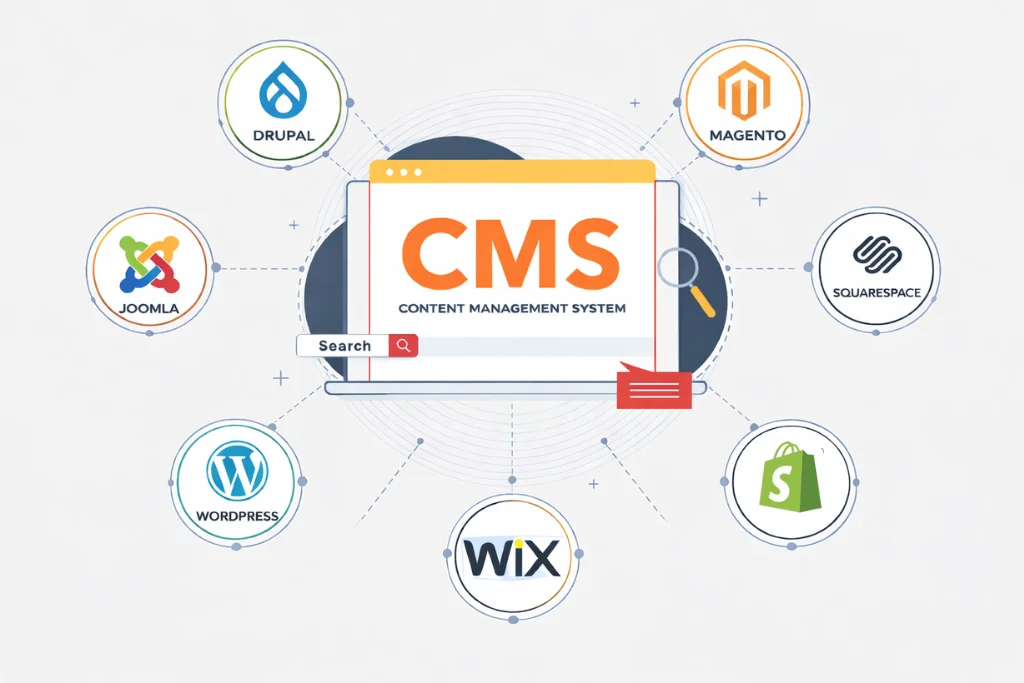

Your website is often the first impression potential customers have of your business. Within just a few seconds, visitors decide whether they want to stay on your website or leave. A professional website design not only creates a positive first impression but also builds trust, improves user experience, and encourages visitors to take action. Whether you own a small business, an online store, or a service-based company, choosing the right website design can directly impact your brand’s credibility and business growth.
A well-designed website should be visually appealing, easy to navigate, mobile-friendly, and optimized for search engines. It should also reflect your brand identity while providing visitors with the information they need quickly and efficiently. In this guide, you’ll learn the key factors to consider when choosing the right website design for your business and how the right design can help you attract more customers and increase conversions.
Table of Contents
- Why Website Design Matters for Your Business
- Understand Your Business Goals Before Choosing a Website Design
- Essential Features Every Business Website Should Have
- Choose a Website Design That Matches Your Industry
- Custom Website Design vs. Website Templates
- Common Website Design Mistakes to Avoid
- Questions to Ask Before Hiring a Website Design Company
- Conclusion
Why Website Design Matters for Your Business
Your website is more than just an online presence—it’s one of your most valuable marketing tools. A professional website helps establish credibility, strengthens your brand, and makes it easier for potential customers to learn about your products or services. A poorly designed website, on the other hand, can drive visitors away before they even explore what your business offers.
A well-designed website provides a smooth browsing experience, making it simple for users to navigate between pages, find information, and complete important actions such as contacting your business or making a purchase. It also supports your digital marketing efforts by improving search engine visibility, increasing user engagement, and encouraging higher conversion rates.
Investing in the right website design isn’t just about appearance—it’s about creating an experience that supports your business goals and helps you stand out from your competitors.
Understand Your Business Goals Before Choosing a Website Design
Before selecting a website design, it’s important to understand what you want your website to achieve. Every business has different objectives, and your website should be designed to support those goals. Taking time to define your priorities will help you choose the right layout, features, and functionality.
a. Identify Your Business Objectives
Start by asking yourself what you want visitors to do when they arrive on your website. Your objectives will influence every design decision, from the homepage layout to the placement of call-to-action buttons.
Common business goals include:
- Generate leads through contact forms
- Sell products online
- Accept appointments or bookings
- Showcase services or a professional portfolio
- Increase brand awareness
- Provide customer support and information
When your website is built around clear objectives, it becomes much more effective at converting visitors into customers.
b. Know Your Target Audience
Your website should be designed with your ideal customers in mind. Understanding your audience helps you create content, layouts, and features that meet their expectations and improve their overall experience.
Consider factors such as:
- Age group
- Interests and preferences
- Devices they use
- Browsing habits
- Problems they want to solve
For example, a corporate business website usually focuses on professionalism and trust, while an e-commerce website emphasizes product discovery, customer reviews, and a simple checkout process. Designing your website around your audience makes it more engaging and easier to use.
c. Build a Consistent Brand Identity
Your website should reflect your brand across every page. Consistent branding helps customers recognize your business and creates a professional image that builds trust over time.
Maintain consistency by using:
- Your brand colors
- Professional typography
- High-quality images
- Consistent messaging
- Company logo and visual elements
A strong brand identity makes your business more memorable and helps create a lasting impression on visitors.
Essential Features Every Business Website Should Have
No matter what industry you’re in, every professional business website should include features that improve usability, performance, and customer experience. These elements not only make your website more effective but also contribute to better search engine rankings and higher conversion rates.
1. Mobile-Responsive Design
More people browse the internet using smartphones and tablets than ever before. Your website should automatically adjust to different screen sizes, ensuring visitors have a smooth experience regardless of the device they’re using. A responsive design also supports better SEO performance since search engines prioritize mobile-friendly websites.
2. Fast Loading Speed
Website speed has a direct impact on user experience. Visitors are likely to leave if a page takes too long to load. Optimizing images, using reliable hosting, and minimizing unnecessary scripts can significantly improve loading times while reducing bounce rates.
3. Simple and User-Friendly Navigation
Visitors should be able to find the information they need without confusion. Keep your navigation menu organized, use clear page names, and avoid unnecessary complexity. A clean navigation structure helps users explore your website more easily and encourages them to stay longer.
4. Clear Calls-to-Action (CTAs)
Every business website should guide visitors toward a specific action. Whether you want users to request a quote, schedule a consultation, or purchase a product, your call-to-action buttons should be easy to find and written with clear, action-oriented language.
5. Secure HTTPS Encryption
Website security is essential for protecting customer information and building trust. Installing an SSL certificate enables HTTPS encryption, helping secure data while improving your website’s credibility. Many search engines also favor secure websites in search rankings.
6. SEO-Friendly Structure
A well-structured website helps search engines understand your content more effectively. Proper heading hierarchy, optimized page titles, clean URLs, internal linking, and relevant keywords all contribute to better visibility in search results.
7. Accessible Design
Your website should be easy for everyone to use, including people with disabilities. Features such as readable fonts, sufficient color contrast, descriptive image alt text, and keyboard-friendly navigation create a more inclusive browsing experience while improving overall usability.
8. High-Quality Content and Visuals
Professional images, informative content, and a clean design help establish credibility. Avoid using outdated graphics or low-quality visuals, and focus on providing clear, valuable information that answers your visitors’ questions. High-quality content not only builds trust but also encourages users to spend more time on your website.
Choose a Website Design That Matches Your Industry
Different industries have different customer expectations, so your website should be designed to meet the needs of your target audience. A design that works well for an online store may not be suitable for a healthcare provider or a professional service firm. Choosing an industry-specific design helps improve user experience and increases the likelihood of converting visitors into customers.
a. Service Businesses
Service-based businesses should focus on building trust and making it easy for potential customers to get in touch. Highlight your services with clear descriptions, customer testimonials, certifications, and simple contact forms. Adding strong calls-to-action, such as “Request a Quote” or “Book a Consultation,” can encourage more inquiries.
b. E-commerce Websites
An e-commerce website should make shopping simple and enjoyable. Use high-quality product images, organized product categories, advanced search and filtering options, secure payment methods, and a streamlined checkout process. These features help customers find products quickly and complete purchases with confidence.
c. Healthcare Websites
Healthcare websites should have a clean, professional design that inspires trust. Include detailed service information, online appointment booking, doctor profiles, patient testimonials, and frequently asked questions. Clear navigation helps patients find the information they need without frustration.
d. Professional Services
Businesses such as law firms, accounting firms, consultants, and financial advisors should focus on credibility and expertise. Showcase your experience through case studies, certifications, client testimonials, awards, and detailed service pages. A professional design reinforces your reputation and builds confidence with potential clients.
e. Restaurant and Hospitality Websites
Restaurants, cafés, hotels, and hospitality businesses should create an engaging visual experience. Include high-quality photos, online reservations, digital menus, customer reviews, business hours, and location details. An attractive and easy-to-use website can encourage more bookings and visits.
Custom Website Design vs. Website Templates
Choosing between a custom website design and a website template depends on your business goals, budget, and long-term plans.
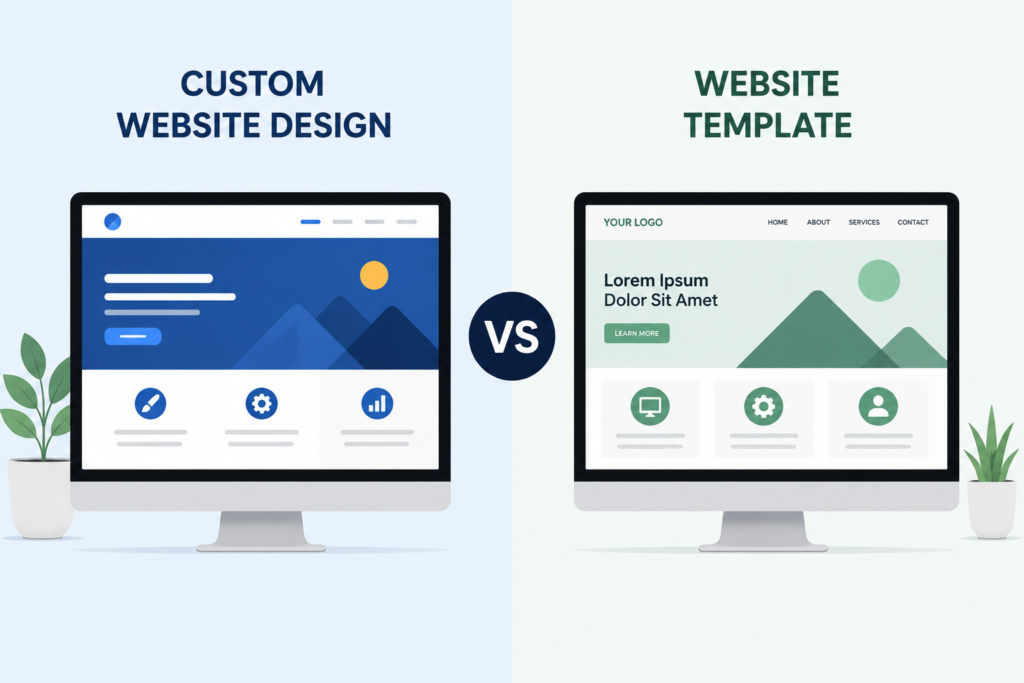
| Custom Website Design | Website Templates |
| Unique and original design | Lower upfront cost |
| Fully customizable | Faster to launch |
| Better scalability | Limited customization |
| Stronger brand identity | Suitable for startups |
| Built around your business goals | May look similar to other websites |
Custom website design offers greater flexibility, scalability, and a unique brand identity, making it ideal for growing businesses. Website templates are a cost-effective option for startups and small businesses that need a professional website launched quickly.
Common Website Design Mistakes to Avoid
Even a visually appealing website can underperform if it lacks usability and functionality. Avoid these common mistakes to improve user experience and website performance:
- Cluttered layouts with too much information
- Slow-loading pages due to unoptimized images
- Poor mobile responsiveness
- Complicated navigation
- Weak or missing calls-to-action (CTAs)
- Inconsistent fonts, colors, and branding
- Low-quality or outdated visuals
- Ignoring SEO best practices
A clean, fast, and user-friendly website helps keep visitors engaged, builds trust, and increases conversions.
Questions to Ask Before Hiring a Website Design Company
Choosing the right website design company is just as important as choosing the right design. Before making a decision, ask questions that help you evaluate their experience, process, and ability to meet your business goals.
Consider asking:
- Have you designed websites for businesses in my industry?
- Can you share examples of your recent projects?
- Will my website follow SEO best practices?
- Will the website be fully mobile responsive?
- Can I easily update content after the website is launched?
- Do you provide ongoing maintenance and technical support?
- Can the website grow as my business expands?
- What is the estimated timeline for completing the project?
These questions will help you choose a reliable web design partner that understands your requirements and can deliver a website that supports your long-term success.
Conclusion
Choosing the right website design helps your business build credibility, improve user experience, and attract more customers. By focusing on your goals, audience, and industry needs, you can create a website that is visually appealing, mobile-responsive, SEO-friendly, and built for growth. Ready to create a website that delivers results? Book an introductory call with Evolz today and take the next step toward building a successful online presence.